
A healthy garden rarely happens by accident. Someone prepares the soil, chooses the right plants, waters at the right time, removes weeds, checks for pests, and keeps showing up even when there are no flowers yet.
A strong online presence works much the same way.
Good marketing is not a one-time campaign that blooms overnight. It is a living system made of content, search visibility, audience trust, social proof, clear messaging, and regular care. Leave it unattended for too long, and the signs show: outdated pages, weak engagement, unclear offers, broken links, and competitors taking up the space you once owned.
Garden care offers a simple, useful way to think about digital marketing. Both reward patience. Both need consistency. Both grow best when the foundation is healthy.

Strong growth starts with prepared ground and regular care.
Prepare the soil before you plant anything
Every gardener knows that poor soil limits growth. You can buy the best seeds, but if the ground is compacted, dry, or short on nutrients, the plants will struggle.
In digital marketing, your “soil” is the foundation that supports every campaign. That includes:
- A clear website structure
- Fast-loading pages
- Helpful content
- Accurate contact details
- Simple navigation
- A clear offer
- Trust signals such as reviews, case studies, and real examples
Google Search Central has long advised site owners to create helpful, reliable content for people rather than pages made only for search engines. That principle is similar to feeding the soil instead of spraying leaves to make a plant look greener for a day. The real improvement happens underneath.
A business can run ads, post daily, or invest in email campaigns, but if the landing page is confusing, growth will be limited. A potential customer should understand three things quickly:
- What is being offered
- Who it is for
- What to do next
For example, a home services company that serves customers across India may have a homepage, service pages, FAQs, reviews, and location-focused content. If those pages explain common problems clearly, answer real questions, and make booking easy, the marketing has healthy soil to grow from.
Before planting new campaigns, check the ground.
Review your website, Google Business Profile if relevant, page speed, contact forms, old blog posts, and analytics setup. Small fixes here can improve the results of everything else.
Choose the right seeds for the right season
A gardener does not plant every seed at once. Some plants need full sun. Some prefer shade. Some grow well during the monsoon, while others need drier weather.
Marketing channels work in a similar way. Not every business needs to be everywhere. The right mix depends on the audience, offer, buying cycle, and resources.
Here are a few “seeds” that often matter:
| Garden choice | Marketing equivalent | Why it matters |
|---|---|---|
| Seasonal vegetables | Timely content | Matches what people need right now |
| Native plants | Audience-fit channels | Works with natural behaviour, not against it |
| Slow-growing trees | SEO and thought leadership | Builds long-term value |
| Flowering plants | Social posts and campaigns | Attracts attention and creates visibility |
| Compost | Reviews and customer feedback | Enriches trust over time |
A small café might benefit from local search visibility, fresh photos, short videos, and regular customer reviews. A B2B software company may need detailed guides, comparison pages, webinars, and email nurturing. An online learning brand may grow through search content, student stories, and community engagement.
The lesson is simple: plant what you can realistically care for.
Many brands open accounts on five platforms, publish for two weeks, and then disappear. That sends the same signal as a garden full of half-watered seedlings. It is better to maintain two strong channels than neglect six.
If people search for terms such as Ai Digital marketing near me, they are often looking for practical help, not vague promises. Pages that answer clear questions, show relevant experience, and make the next step easy have a better chance of earning attention.

The right seed in the right place has a far better chance of growing.
Water regularly without flooding the roots
Plants need regular water, but too much can damage them. The same balance applies to audience engagement.
Posting once every few months makes it hard to stay visible. Posting too often with weak content can tire people out. The aim is not noise. The aim is useful, steady contact.
A strong online presence usually includes a rhythm such as:
- Publishing helpful content on a predictable schedule
- Replying to comments and messages
- Sending email updates when there is real value to share
- Refreshing older pages when information changes
- Asking for reviews after a good customer experience
- Sharing customer questions and practical answers
Consistency matters because trust builds through repeated exposure. Marketing research often refers to the “mere exposure effect”, the psychological idea that people tend to feel more familiar with things they encounter repeatedly. This does not mean people will buy only because they saw a brand many times. It means familiarity can reduce friction when the message is relevant and credible.
Think of a nursery that sends plant care reminders during hot weather. The message is useful because it arrives at the right moment. Digital marketing should feel the same. A tax consultant might share reminders before filing deadlines. A fitness studio might post simple form tips. A retailer might send care instructions after a purchase.
Good engagement is less about asking, “What can we promote today?” and more about asking, “What would be genuinely helpful today?”
Use a simple watering schedule for content
A practical content routine could look like this:
- One detailed blog post or guide each month
- Two to four short educational posts each week
- One customer story or example each month
- One email newsletter every two to four weeks
- Regular replies to comments, enquiries, and reviews
This schedule is only an example. The best plan is the one that can be maintained without lowering quality.
Remove weeds before they spread
In a garden, weeds compete for water, light, and nutrients. Left alone, they can take over. In marketing, “weeds” are the small issues that weaken trust and distract from the main message.
Common weeds include:
- Outdated offers
- Broken links
- Old pricing or service details
- Duplicate pages
- Unanswered reviews
- Low-quality content created only to rank
- Inconsistent names, addresses, or phone numbers
- Social profiles with incorrect information
- Slow pages with large, uncompressed images
These problems may look minor, but they add up. A customer who clicks a broken link may not try again. A visitor who sees an old festival offer months later may question whether the business is active. A search engine may struggle to understand a site with thin, repeated pages.
Set aside time each month for maintenance. This does not need to be complex. A simple review can include checking top website pages, testing enquiry forms, scanning analytics for sudden drops, reading recent reviews, and updating high-traffic content.
Google’s own guidance encourages site owners to keep content accurate and useful. That supports the garden analogy well: pruning old growth helps healthy branches receive more light.
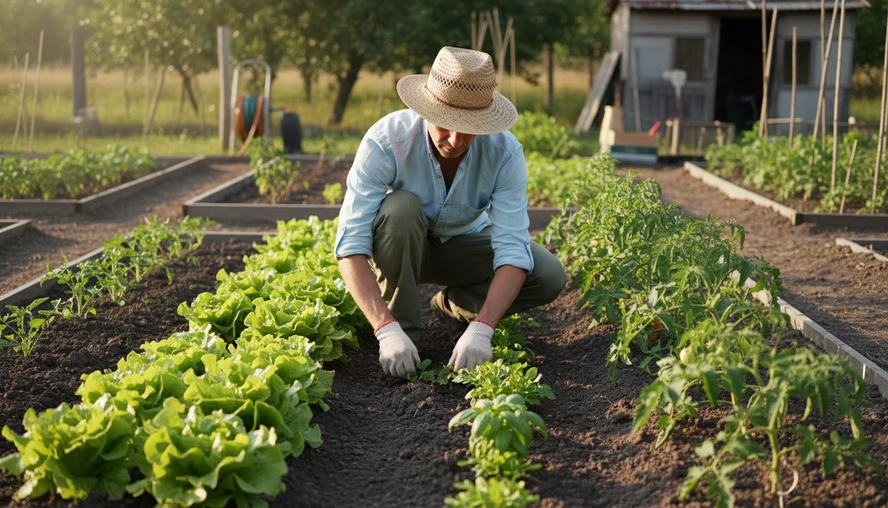
Regular maintenance prevents small problems from taking over.
Prune to help stronger growth
Pruning can feel harsh. Cutting back a plant that is alive may seem wrong, but gardeners do it to guide growth, improve airflow, and help the plant produce better flowers or fruit.
Marketing also needs pruning. Not every campaign, page, or platform deserves more time.
Look for signals such as:
- Pages with traffic but no enquiries
- Posts with engagement but no clear next step
- Ads that attract clicks from the wrong audience
- Emails with low opens over several sends
- Services that no longer match the business direction
- Content that repeats the same point in different words
Pruning does not always mean deleting. Sometimes it means merging two weak blog posts into one stronger guide. Sometimes it means rewriting a page to answer the real customer question. Sometimes it means pausing a platform where the audience is not active.
For example, a brand may discover that short educational videos bring comments but no qualified leads, while detailed comparison articles bring fewer visitors but better enquiries. That does not make videos useless. It means the content mix needs adjustment.
Pruning works best when it is based on evidence. Use tools such as Google Analytics, Search Console, email reports, CRM notes, and customer conversations. Numbers show patterns, but conversations explain why those patterns happen.
Feed the garden with trust and proof
Plants need nutrients. Marketing needs trust.
People rarely make decisions from one message alone, especially for high-value services. They look for proof. They compare. They read reviews. They check whether the brand sounds reliable and whether others have had a good experience.
Strong trust signals include:
- Customer reviews on trusted platforms
- Case studies with clear before-and-after context
- Photos of real work where appropriate
- Transparent FAQs
- Clear policies
- Author bios for expert content
- Testimonials with specific details
- Educational content that answers hard questions honestly
Specific proof always beats broad praise. “The team responded within 24 hours and fixed the installation issue before our reopening” is more useful than “Great service.”
This is also where brand awareness grows. Awareness is not just name recognition. It is the link between the brand and a useful idea. A gardening store might become known for balcony garden advice. A digital agency might become known for clear reporting and practical strategy. A clinic might become known for patient education and calm communication.
The aim is to become familiar for something meaningful.
Watch the weather and adapt your plan
Gardeners pay attention to weather. Heatwaves, heavy rain, pests, and seasonal shifts change what the plants need.
Marketing has changing conditions too. Search behaviour shifts. Social platforms alter feeds. Customer budgets rise and fall. Competitors update their offers. New tools, including AI, change how people research and create content.
That does not mean chasing every new trend. It means staying observant.
Useful questions to ask each quarter include:
- Which pages bring the best enquiries?
- Which topics lead to real conversations?
- Which customer questions appear again and again?
- Which channels are becoming harder to maintain?
- Which old content still performs well and deserves an update?
- What has changed in the market, season, or customer need?
AI tools can help with research, outlines, summaries, and content planning, but human judgement still matters. A tool can suggest topics. It cannot fully understand customer emotion, lived experience, cultural context, or the promise a brand must keep. Use AI like a gardening tool, not as the gardener.
Build a routine that keeps growth steady
The healthiest gardens have routines. Not rigid routines, but repeatable habits. Watering, checking leaves, adding compost, pruning, and harvesting all happen at the right time.
A strong marketing routine can be simple:
Weekly
- Check enquiries and response times
- Reply to reviews and comments
- Share one or two useful updates
- Review active campaigns
Monthly
- Publish or refresh one strong piece of content
- Review website traffic and search terms
- Add customer proof where available
- Check broken links and outdated details
Quarterly
- Review goals and channel performance
- Update key service pages
- Compare results with customer feedback
- Prune weak campaigns
- Plan seasonal content
This routine works because it turns marketing into care, not panic. Instead of waiting until leads drop, the brand keeps tending the system.
For a fuller plan to build consistent growth, explore these digital marketing strategies and adapt the ideas to your own goals.
Frequently asked questions
How is digital marketing similar to garden maintenance?
Both need steady care, patience, and the right conditions. A garden needs soil, water, pruning, and sunlight. Marketing needs a clear website, helpful content, audience engagement, regular updates, and trust-building proof.
How often should a business post online?
The best schedule is one that can be maintained with quality. For many businesses, a mix of weekly social updates, monthly long-form content, and regular review responses is more useful than daily posting with weak ideas.
What should be fixed first on a weak online presence?
Start with the foundation. Check whether the website explains the offer clearly, loads well, works on mobile, has correct contact information, and gives visitors a clear next step.
Can AI help with digital marketing?
Yes, AI can support research, planning, drafting, and analysis. It works best when paired with human review, customer knowledge, and brand judgement.
How long does online growth take?
Some paid campaigns can bring quick traffic, but lasting brand awareness and search visibility usually grow over months of consistent work. Like a garden, the strongest results come from regular care over time.

A simple routine keeps growth on track through every season.
Keep tending what you want to grow
Gardeners do not control every outcome. Weather changes. Seeds fail. Some plants need more care than expected. Marketing has the same uncertainty.
Still, the basics remain reliable. Prepare the foundation. Choose the right channels. Show up consistently. Remove what weakens trust. Prune what no longer serves the goal. Feed the system with proof, usefulness, and care.
A garden grows because someone keeps paying attention. An online presence grows the same way.